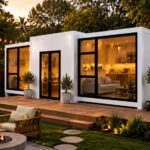
🏪 Introduction
Container pop-up shops have become one of the fastest-growing retail formats in recent years.
Compared with traditional retail stores, container pop-up shops offer:
✔ Lower startup costs
✔ Faster deployment
✔ Greater location flexibility
✔ Strong visual branding opportunities
✔ Easier relocation and expansion
Whether you are launching a fashion brand, coffee kiosk, cosmetic store, event booth, or seasonal retail business, container shops provide a scalable and cost-effective solution.
Among the available systems, flat pack container shops have become particularly popular because they reduce shipping costs while allowing highly customized storefront designs.
But one question remains:
How much does a container pop-up shop cost, and which type is best for your business?
This guide covers everything you need to know in 2026.
⚡ Quick Answer
Most container pop-up shop projects cost between: $15,000 and $60,000
depending on:
• container size
• interior fit-out
• branding requirements
• local permits
• utility connections
Most projects can be launched within: 30–60 days from order confirmation to opening day.
The most common solution is a 20ft flat pack container shop with customized windows, electrical systems, and interior finishes.
📑 Table of Contents
What Is a Container Pop-Up Shop?
Flat Pack vs Foldable Containers
Why Flat Pack Containers Are Ideal for Retail
Best Business Applications for Container Pop-Up Shops
Container Pop-Up Shop Cost Breakdown
Design and Layout Ideas
Permits and Regulations
ROI and Profitability
5 Key Things to Confirm Before Buying
Real Customer Example
Price Reference and Quotation Guide
Frequently Asked Questions
Final Thoughts
What Is a Container Pop-Up Shop?
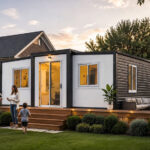
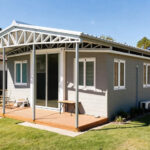
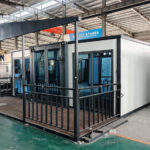
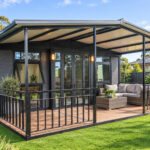
A container pop-up shop is a retail store built using shipping containers or modular container structures.
Unlike traditional retail stores, container shops are designed for faster deployment, lower construction costs, and easier relocation.
Common applications include:
• coffee shops
• fashion stores
• cosmetic stores
• event merchandise booths
• seasonal retail stores
• tourism retail spaces
Depending on project requirements, container shops can be built using:
• flat pack containers
• foldable containers
• expandable container structures
• modified shipping containers
For most international projects, flat pack container shops remain the preferred solution because they offer the best balance between shipping efficiency, customization flexibility, and structural stability.
Flat Pack vs. Foldable: What’s the Difference?
People often mix them up, but they are different:
| Type | Shipping | On-site Work | Best For |
|---|---|---|---|
| Flat Pack | Flat panels + frames, 6-8 units per 40ft container | Assembly required (2-4 hours) | Bulk orders, international shipping, viral pop-up stores |
| Foldable | Whole box flattened, 2-3 units per 40ft container | Unfolding (30 min) | Frequent relocation, rapid deployment |
90% of the “folding container pop-up stores” you see on social media are actually flat pack containers. They are cheaper to ship and more structurally stable after assembly.
Why Flat Pack Containers Are Perfect for Pop-up Stores
Extremely low shipping cost
A 40ft high cube container can hold 6-8 units of 20ft flat pack containers. Sea freight from China to the US West Coast can be as low as $500–$800 per unit — something foldable containers cannot match.
Easy assembly — 2-4 people, half a day
All panels are pre-cut and pre-drilled, with bolts and instructions. Basic tools needed: electric wrench, level, ladder. A forklift or crane is only needed for unloading.
Sturdy structure for long-term use
Once assembled, bolts create a rigid frame. It is more wind-resistant and earthquake-resistant than foldable types, making it suitable for permanent stores.
Instagram-worthy appearance
Flat pack containers have smooth walls that are easy to paint, wrap, or add logos. Many viral coffee shops and flower shops use them — they are naturally photogenic.
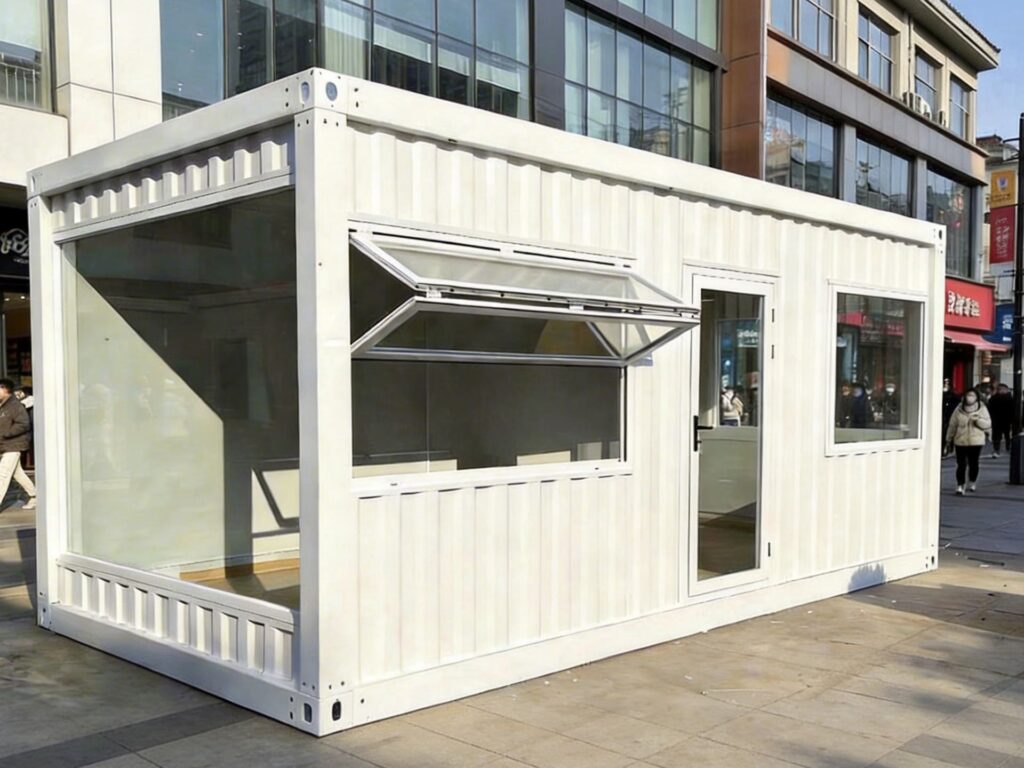
Best Business Applications for Container Pop-Up Shops
From our conversations with overseas buyers, the most popular scenarios are:
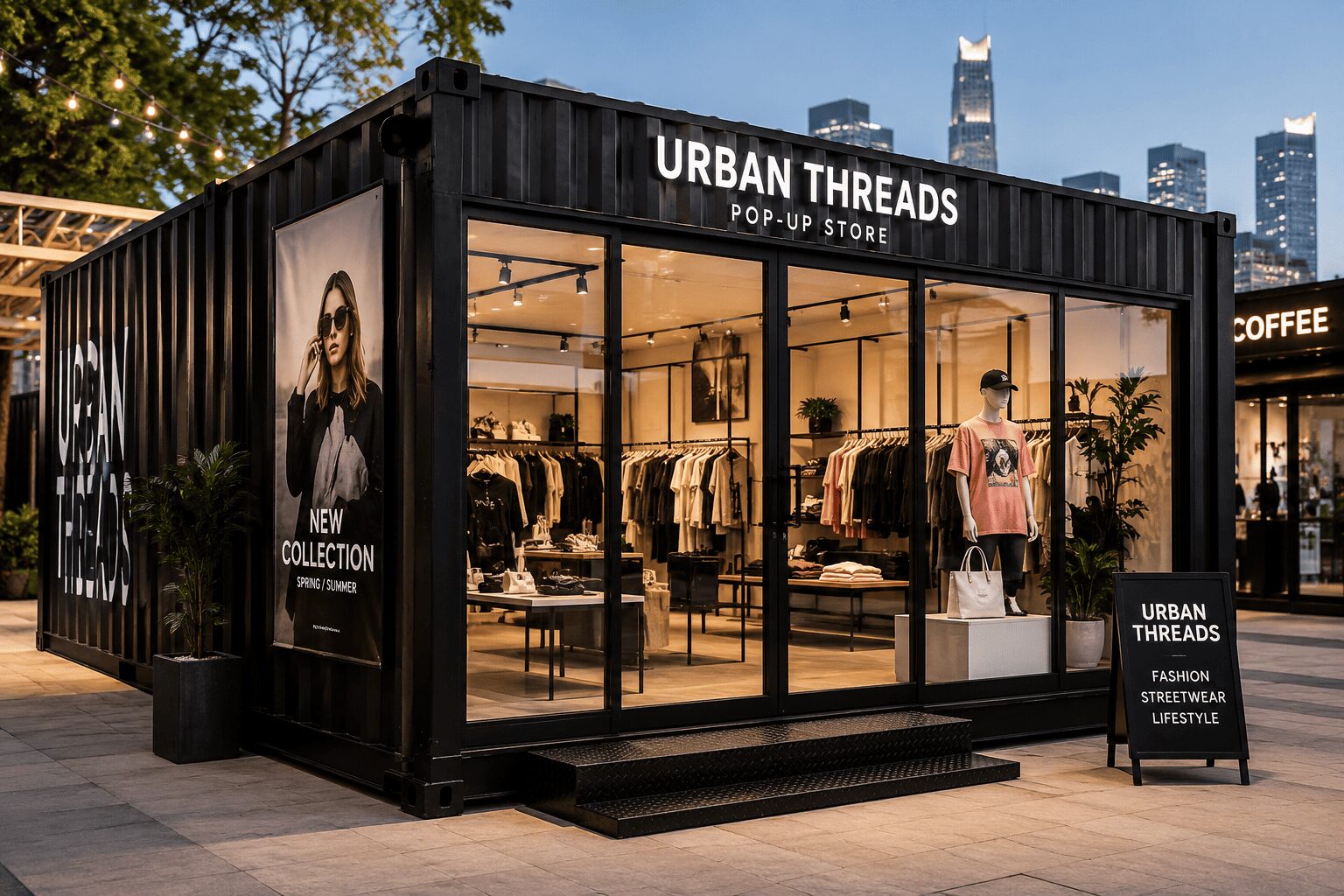
Fashion Retail
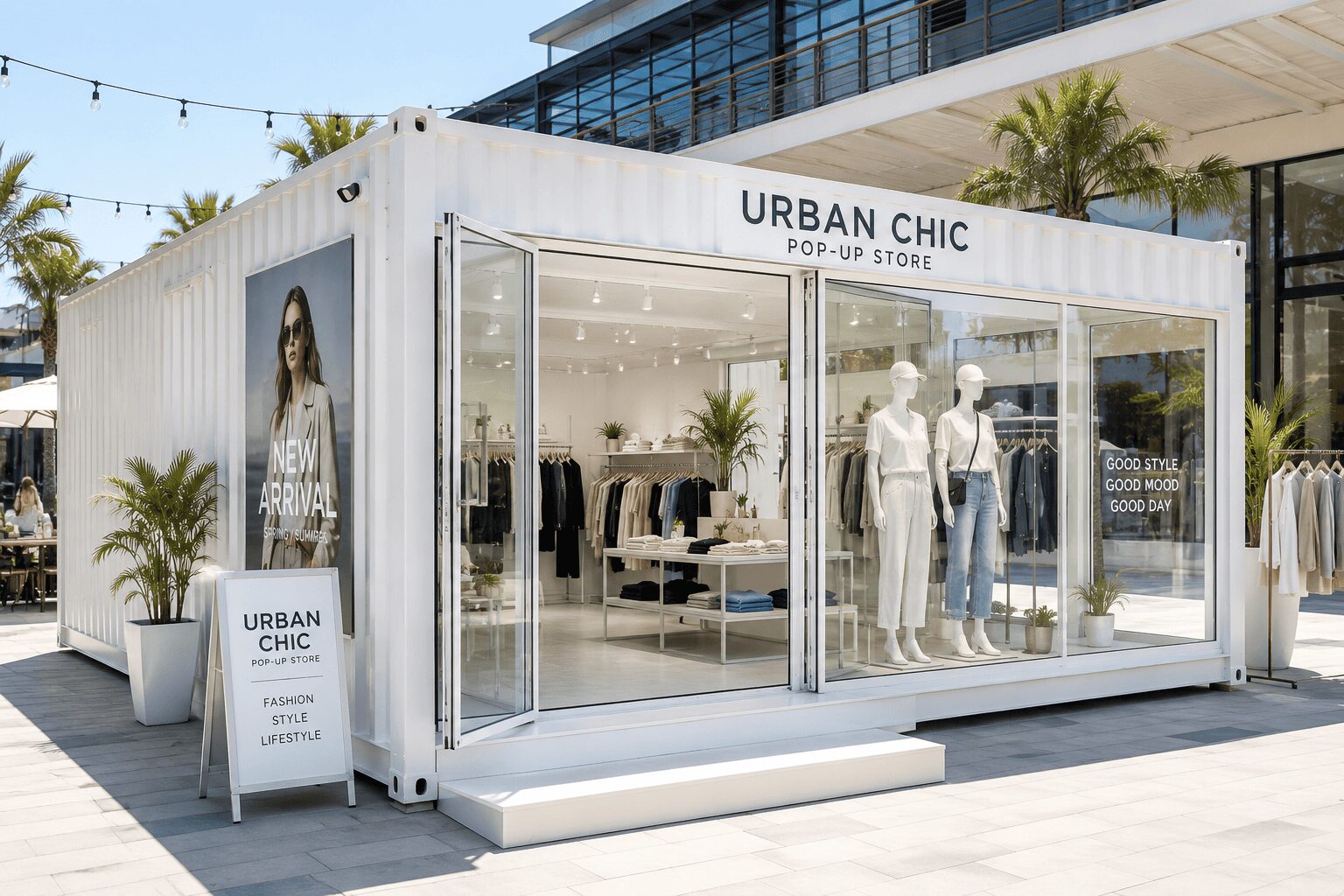
Ideal for:
- streetwear brands
- seasonal collections
- shopping malls
- outdoor events
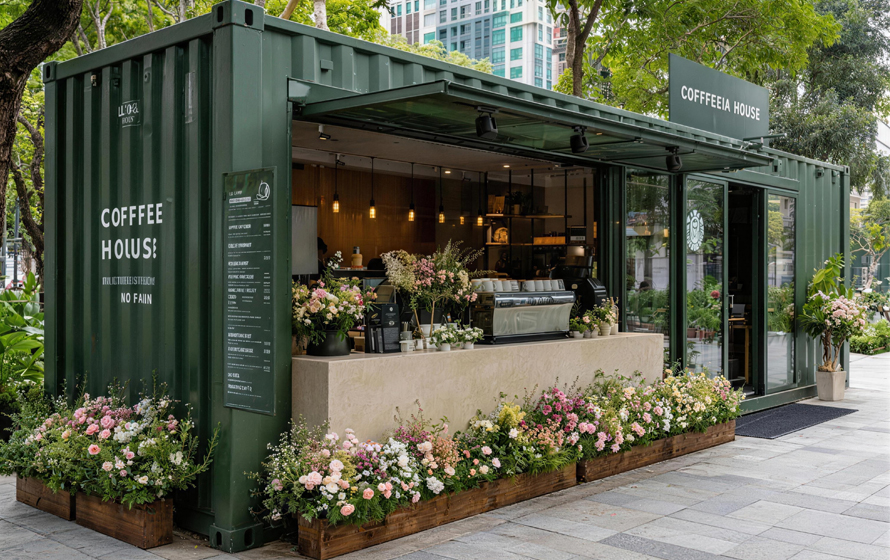
Coffee and Beverage Shops
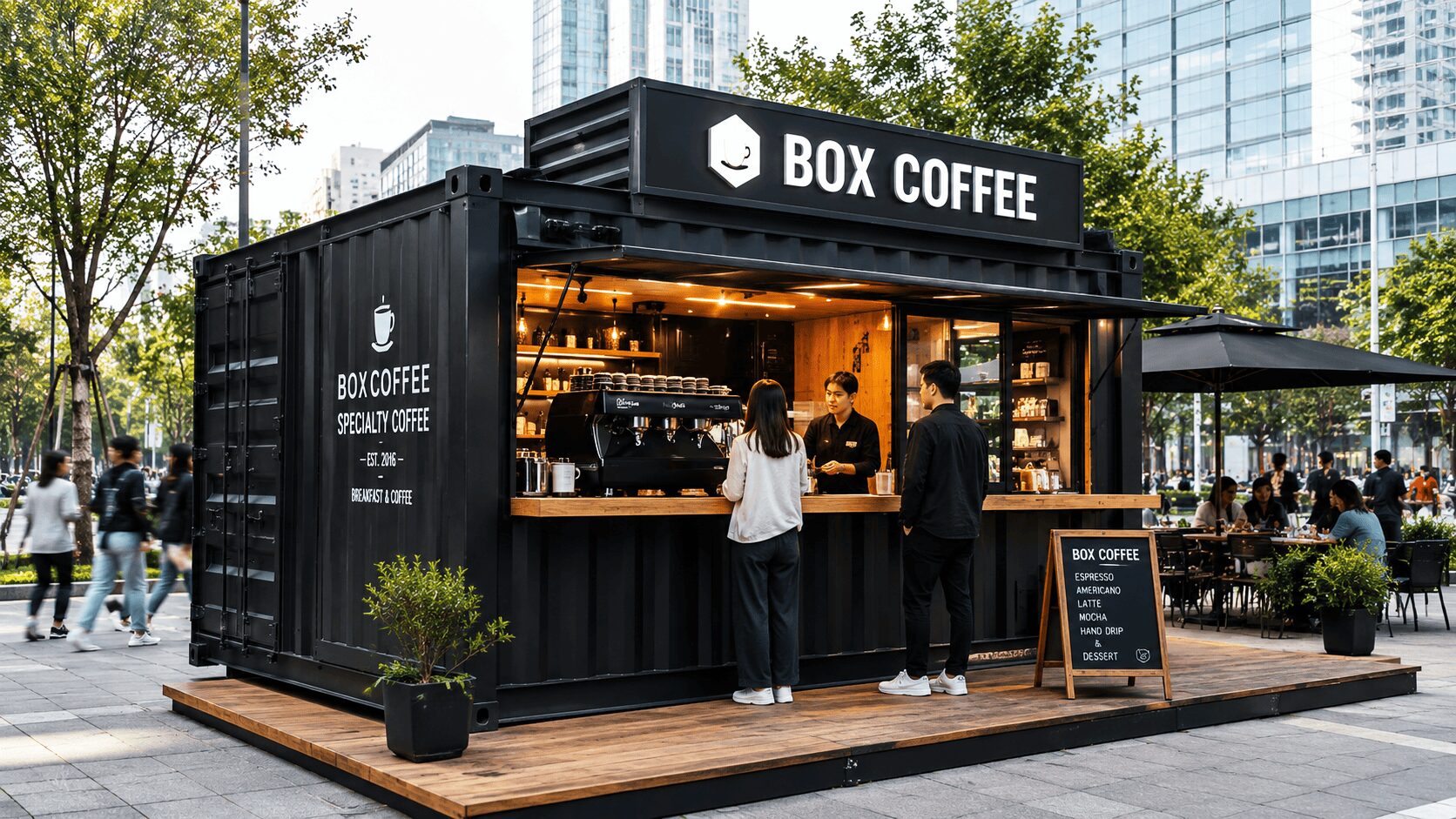
Ideal for:
- coffee kiosks
- bubble tea shops
- juice bars
🔗
Beauty and Cosmetics
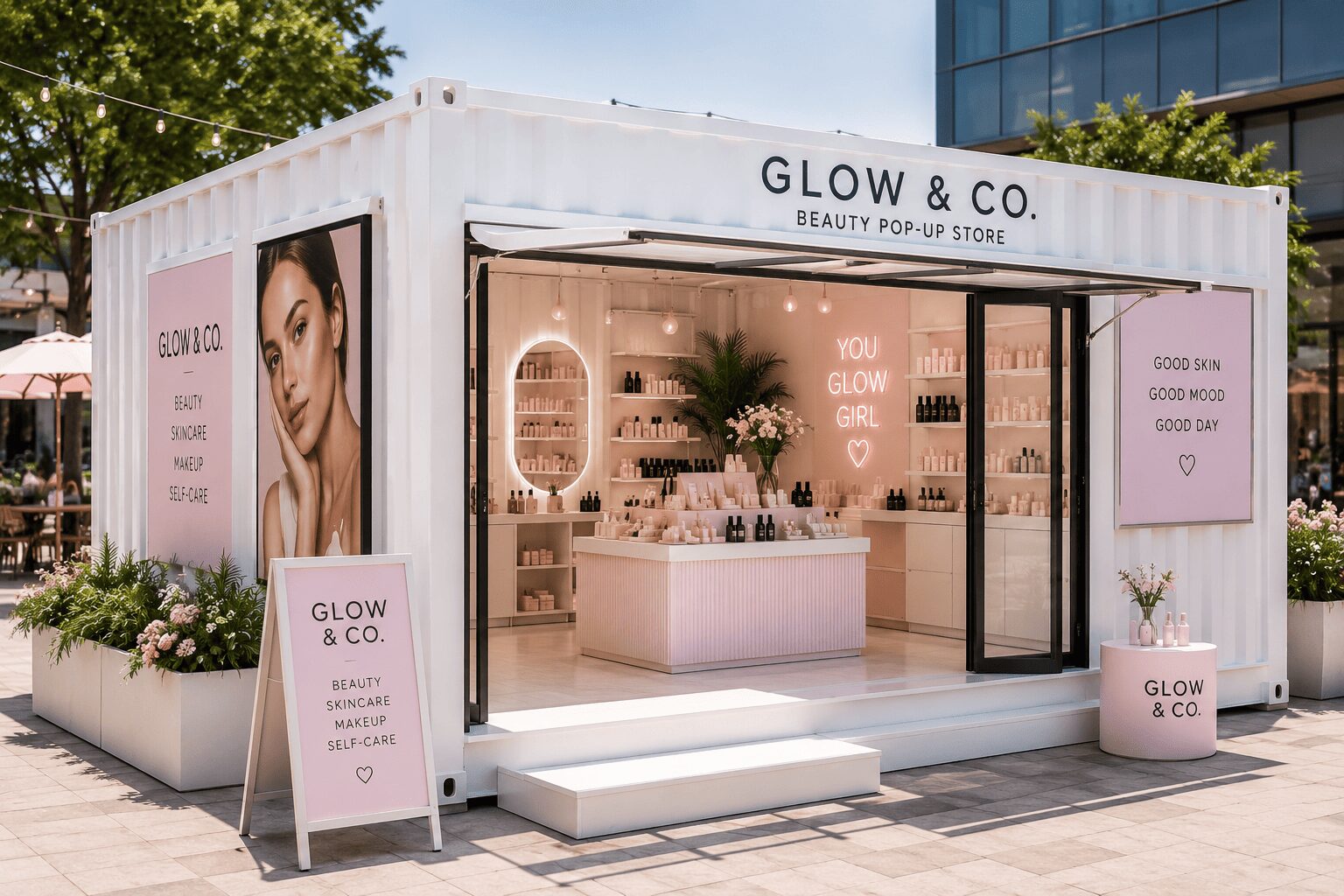
Ideal for:
- skincare products
- makeup brands
- promotional events
Event Merchandise Stores
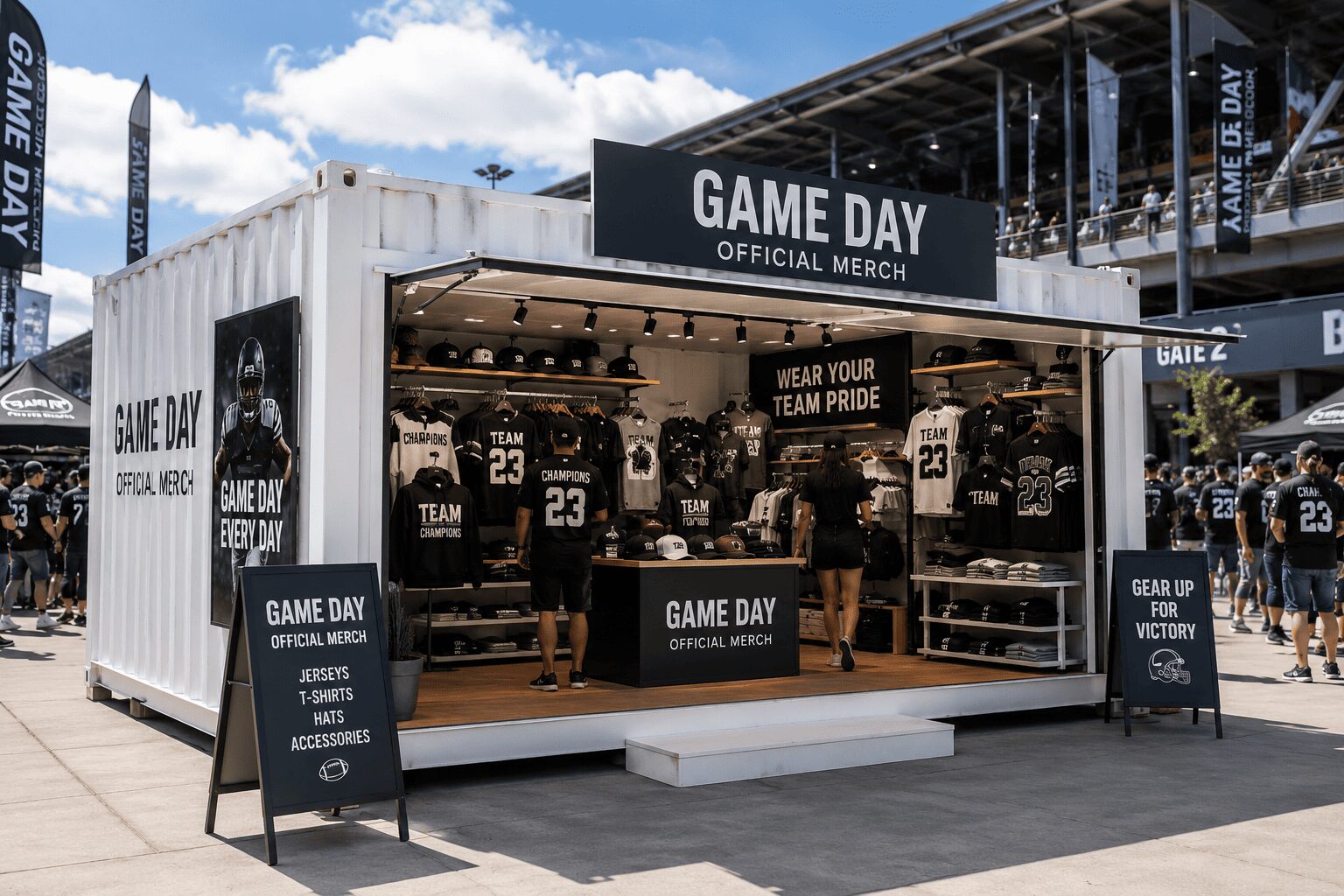
Ideal for:
- concerts
- sports events
- exhibitions
Tourism Retail
Ideal for:
- beaches
- scenic areas
- souvenir shops
Container Pop-Up Shop Cost Breakdown
| Model | Typical Price |
|---|---|
| 20ft Flat Pack Container Shop | $4,290-$4,990 FOB |
| 20ft Turnkey Retail Container Shop | $8,990-$9,990 FOB |
| Custom Coffee Shop Container | $10,000-$20,000+ |
| Multi-Container Retail Space | $20,000-$50,000+ |
These prices refer to the container shop unit only. Shipping, local installation, permits, and business equipment are additional.
Design and Layout Ideas
Popular container pop-up shop layouts include:
• Full glass storefront
• Folding serving window
• Rooftop seating deck
• Outdoor terrace
• LED illuminated signage
• Modular shelving systems
• Dual-side opening retail layout
• Multi-container courtyard concept
Permits and Regulations
Most container pop-up shops require:
• business license
• temporary retail permit
• fire inspection
• electrical approval
• signage permit
Requirements vary significantly by city and country.
Temporary event installations may qualify for simplified approval procedures in some regions.
Shipping and Installation
One of the biggest advantages of flat pack container shops is transportation efficiency.
A standard 40ft high cube shipping container can typically accommodate:
• 6-8 units of 20ft flat pack container shops
This dramatically reduces international freight costs compared with foldable or fully assembled units.
Typical project timeline:
Factory production:
15-25 days
Ocean shipping:
15-40 days
Site preparation:
5-10 days
Assembly and installation:
1-3 days
Most projects can become operational within:
30-60 days
from order confirmation.
ROI and Profitability
Example:
Initial investment:
$30,000
Daily customers:
80
Average transaction value:
$12
Daily revenue:
$960
Monthly revenue:
$28,800
Annual revenue:
$345,600
Estimated gross margin:
55%-65%
Estimated payback period:
12-24 months
5 Key Things to Confirm Before Buying
1. Container type – Make sure it is flat pack (knock-down) , or foldable. Ask suppliers for “flat pack” / “knock-down” or foldable quotes.
2. Size – Most common is 20ft (approx. 6m L x 2.4m W x 2.6m H). For more space, two units can be placed side by side or stacked.
3. Door & window configuration – Standard usually includes one steel door and two windows. For a pop-up store, we recommend large glass windows or a full-opening side panel.
4. Electrical wiring & lighting – Confirm if pre-wired with switches and outlets. Most export products come with basic wiring, but check voltage (110V/220V) for your destination country.
5. Shipping & assembly – Flat pack containers are shipped on flatbed trucks. Upon arrival, a forklift or crane is needed for unloading. Ask your supplier if they provide assembly instruction videos or local partners.
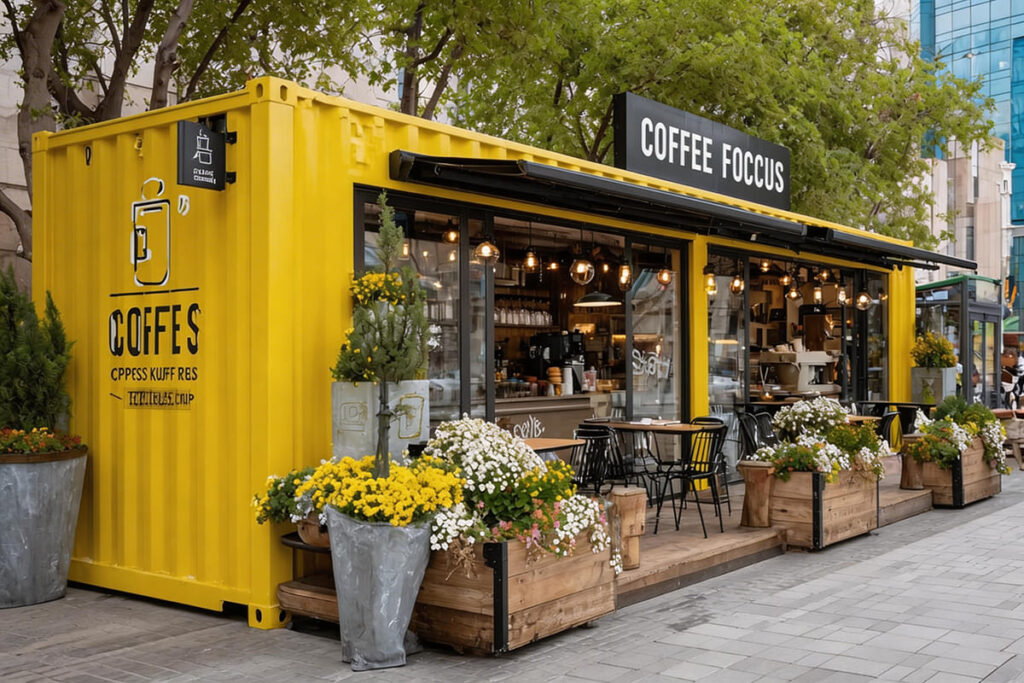
Real Example: A US Customer’s Mobile Coffee Shop
One of our US customers purchased two 20ft flat pack containers to create a mobile coffee shop for events and seasonal operations.
The project used:
• two connected 20ft units
• large serving windows
• custom branding graphics
• integrated electrical systems
After the event season ended, the customer relocated the store and reopened it in another city.
This flexibility is one of the main reasons container pop-up shops continue to grow in popularity.
Price Reference & How to Get a Quote
You may see different prices because container shops vary significantly by configuration.
| Configuration | Price Range |
|---|---|
| Basic flat pack structure | $3,500-$5,000 |
| Retail-ready flat pack shop | $5,000-$8,000 |
| Turnkey coffee or boutique shop | $9,000-$15,000+ |
These prices refer to the container structure only and do not include shipping, installation, permits, or interior business equipment.
Bulk orders typically get 10–20% discount. Our advice: Define your budget and functional needs first, then request a custom quote.
🔗 Related Articles
- Container Coffee Shop Guide 2026
- How Much Does a Container Coffee Shop Cost?
- Expandable Container House for Commercial Use
Frequently Asked Questions
Q1. How much does a container pop-up shop cost?
A basic 20ft flat pack container pop-up shop usually costs around $4,000-$5,000 FOB China.
A fully finished turnkey retail container shop typically costs $9,000-$15,000+ depending on interior design, equipment, and customization.
Final landed cost depends on shipping, local permits, installation, and destination country.
Q2. Can a container pop-up shop be relocated?
Yes.
Flat pack units can be dismantled and reassembled multiple times.
Q3. Do I need permits?
Usually yes.
Q4. How long does installation take?
1-3 daysQ5. Is a flat pack container better than a foldable container?
For retail applications:
Usually yes.
Q6. Can multiple units be connected together?
Yes.
Q7. Can pop-up shops operate off-grid?
Yes.
Q8. Which businesses perform best?
Coffee, fashion, cosmetics, and event retail.
Q9. Can container pop-up shops operate year-round?
Yes.
With proper insulation, HVAC systems, and weatherproofing, container pop-up shops can operate year-round in most climates including North America, Europe, and Australia.
Q10. How long does a container pop-up shop last?
A properly maintained container pop-up shop typically lasts 20-30 years or longer depending on climate conditions, maintenance, and usage intensity.
Final Thoughts
Container pop-up shops offer one of the fastest and most affordable ways to launch a retail business in 2026.
Compared with traditional retail spaces, container stores reduce construction costs, shorten project timelines, and provide significantly greater flexibility.
Whether you are launching a coffee shop, fashion brand, cosmetic store, or seasonal retail concept, choosing the right container system can dramatically improve profitability and speed to market.
For most international buyers, flat pack container shops remain the preferred solution because they combine lower shipping costs with highly customizable designs.
Next Steps – How to Get Started
Measure your site – Confirm space and access for a forklift/crane
Sketch a simple layout – Mark door/window positions, counter, shelves
Contact our engineering team with:
• destination country
• intended business type
• preferred container size
• expected customer capacity
• branding requirements
We will provide a customized proposal and quotation within 24 hours.