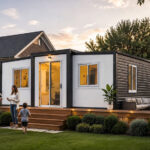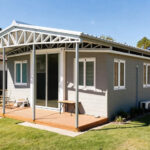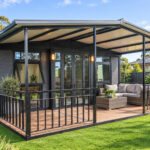
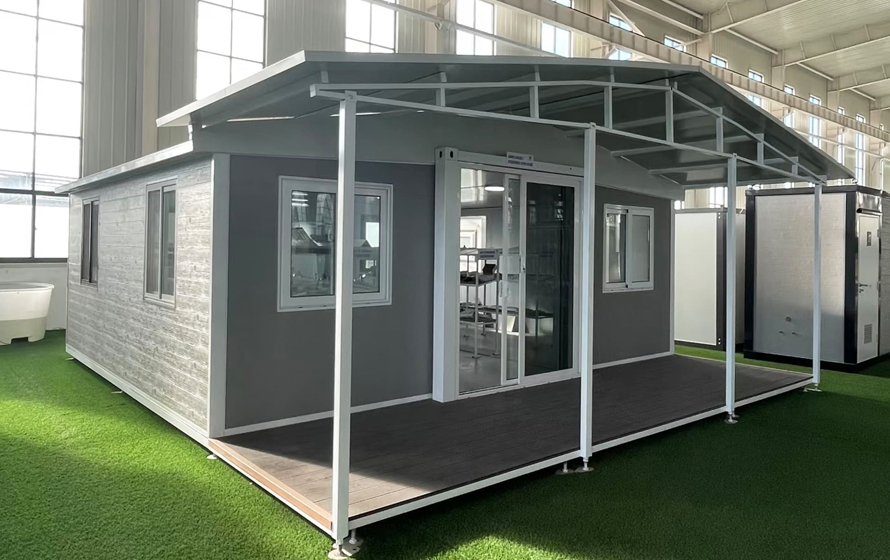
“Are container houses legal in Australia?” This is the most common question customers ask.
The answer is yes — expandable container houses can be used in Australia, but residential projects must meet applicable building, planning and compliance requirements.
A container house used as a permanent residence is generally assessed under the same building regulations as other residential buildings. Requirements may include structural safety, energy efficiency, fire safety, waterproofing, electrical and plumbing compliance depending on the project location and approval pathway.
NCC Compliance: Key Requirements for Residential Container Houses
Residential container houses in Australia need to be assessed against the relevant requirements of the NCC (National Construction Code), including structural safety, fire safety, energy efficiency and other building requirements.
The exact requirements depend on the building classification, location, climate zone and approval pathway.
| Classification | Use | Requirements |
|---|---|---|
| Class 1a | Residential dwelling, granny flat, permanent residence | Requires assessment against applicable NCC residential requirements. |
| Class 10a | Non-habitable structures such as sheds or garages | Generally not designed for residential occupation |
Important: Some low-cost container structures are designed for non-habitable applications only. Customers should confirm whether the product is suitable for residential use and whether it can meet local approval requirements before purchase.
Class 1a Key Requirements:
Energy efficiency requirements, including NatHERS rating requirements where applicable
Livable Housing Design Standard compliance
Structural safety for wind loads (AS/NZS 1170.2)
Suitable internal ceiling height according to residential building requirements and project design
Asbestos-free building materials with supporting documentation where required

Why Choose an Australian-Standard Expandable Container House?
Unlike basic container structures, expandable container houses are designed to provide larger residential living spaces while maintaining transport efficiency.
For Australian projects, expandable container houses can be manufactured with Australian-oriented configurations, including:
– Australian-standard electrical components
– Australian-standard plumbing configuration
– Australian-standard doors and windows
– Insulated wall panels
– Residential-style roof options
– Bathroom and kitchen layouts suitable for residential applications
Final approval depends on the local site conditions, state regulations, engineering assessment and building approval pathway.
🔗 20ft Granny Flat Container Australia.
🔗 40ft Australian-standard expandable container house with gable roof and deck.
Expandable Container House Australia: Factory Configuration
Expandable container houses are a popular prefab housing solution because they can be transported efficiently and expanded on site to create larger living areas.
Typical configurations available for Australian projects include:
– 20ft/30ft/40ft double-wing expandable designs
– Residential-style gable roof options
– Deck and awning extensions
– Bedroom, kitchen and bathroom layouts
– Australian-standard electrical and plumbing configurations
These solutions are commonly considered for granny flats, guest accommodation, rental units and rural housing projects.
🔗 expandable container house floor plans
Granny Flat and Secondary Dwelling Applications in Australia
Granny flats and secondary dwellings are becoming increasingly popular across Australia due to housing demand and affordability challenges.
Approval pathways vary by state, territory and local council. Depending on the location, projects may require different planning approvals, building approvals or certification pathways.
| State/Region | Examples of Granny Flat Approval Pathways | Change |
|---|---|---|
| New South Wales | CDC pathway available for granny flats | Fastest approval path |
| Victoria | Small second homes up to 60㎡ can be approved | New 2026 rules |
| National | 70㎡ ancillary dwellings exempt from planning approval on lots 450㎡+ | Subject to setback, height, privacy |
| National | 70㎡ granny flats exempt from building consent | Effective January 2026 |
The demand for granny flats and secondary dwellings continues to grow in Australia due to housing affordability challenges and the need for additional living spaces.
Occupation Certificate (OC) and Final Approval
An Occupation Certificate (OC), or equivalent final approval depending on the state or territory, confirms that a building has been completed according to approved plans and applicable requirements.
For residential projects, final approval is normally required before the building can be legally occupied or used for its intended purpose.
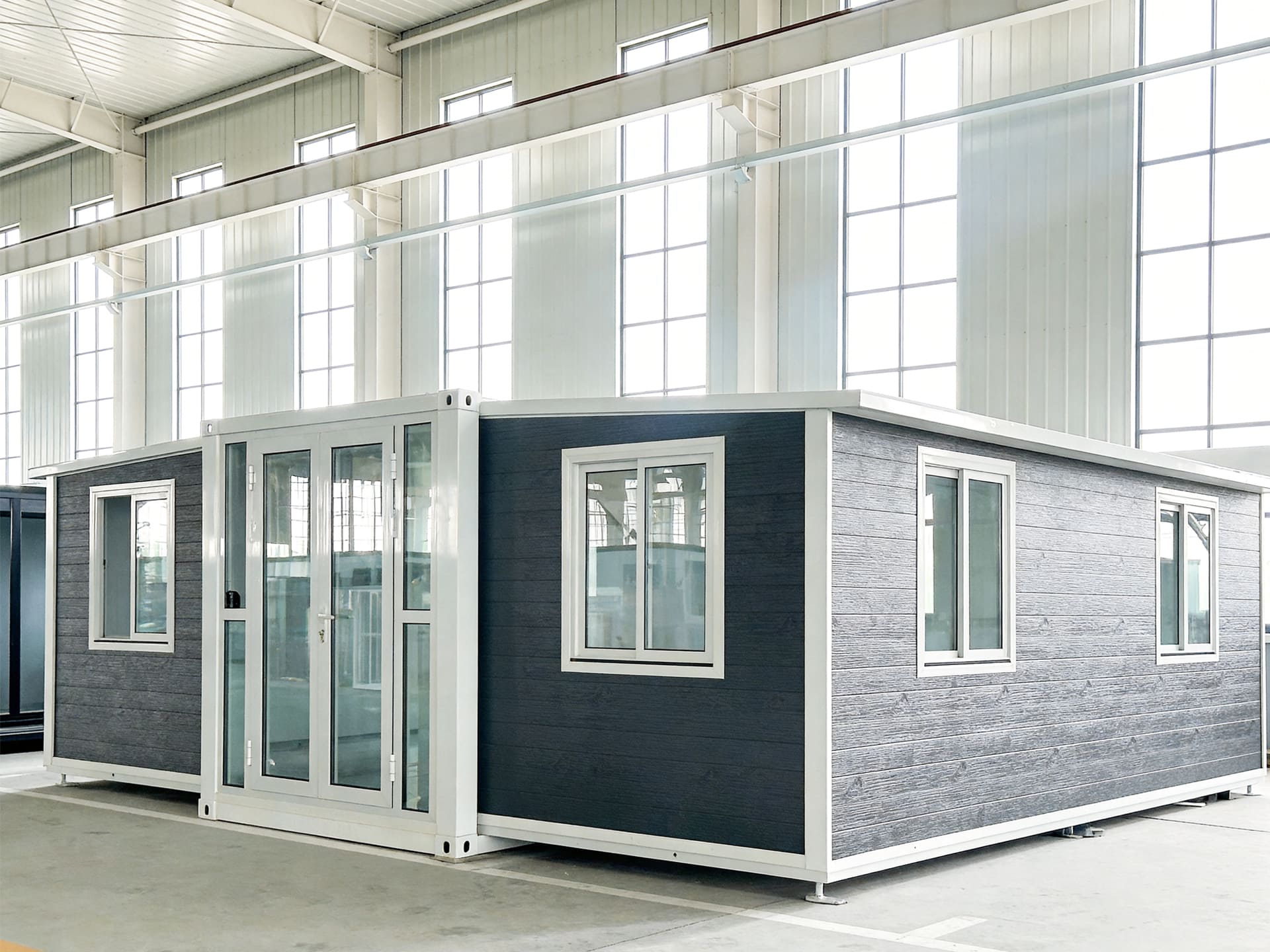
Click here to see our NCC container home.
Click here to see our 20ft Granny Flat Container Australia.
Local Application Process
Confirm land zoning for granny flat eligibility
Obtain building approval (DA or CDC) before the unit arrives
Installation by licensed Australian tradespeople
Final inspection by certification officer
OC issued upon approval
🔗 expandable container house foundation requirements
Import Duties & GST (2026)
| Cost Type | Rate | Notes |
|---|---|---|
| Customs duty | Depends on classification | Confirm with customs broker |
| GST | 10% | Usually calculated based on taxable import value |
| Import Processing Charge | Applicable fee | Depends on shipment type |
Important: If your business is GST-registered, you can claim imported GST as an input tax credit.
Australian import requirements may also include biosecurity considerations. Shipping containers and imported building materials should meet Australian biosecurity requirements before arrival.
Documents Required from Chinese Exporters
| Document Type | Purpose |
|---|---|
| Product specification sheet | Supports local assessment |
| Structural drawings and BOM | Engineering review |
| Asbestos-free test report | Material compliance |
| Electrical specifications | Supports electrical assessment |
| Plumbing specifications | Supports plumbing review |
| Installation manual | On-site installation |
Compliance Checklist (For Customer Reference)
Confirm the product is suitable for NCC Class 1a residential assessment
Confirm electrical components comply with AS/NZS 3000 standards
Confirm plumbing components have WaterMark certification
Confirm the product is asbestos-free (provide test report)
Confirm the product meets 7-star energy efficiency requirements (NatHERS)
Confirm compliance with Livable Housing Design Standard
Consult local council about DA/CDC requirements in advance
Engage licensed electricians and plumbers for on-site connections
FAQ
Q1.Are expandable container houses legal in Australia?
Expandable container houses can be used in Australia when they meet applicable building, planning and approval requirements. Final approval depends on the project location, design and local regulations.
Q2.Can a container house be used as a granny flat in Australia?
Yes, expandable container houses may be considered for granny flat applications where permitted. Customers should confirm local planning and building requirements before ordering.
Q3.Do you provide Australian-standard container houses?
Yes. Expandable container houses can be manufactured with Australian-oriented configurations, including electrical, plumbing, doors, windows and insulation specifications.
Q4.How much does an expandable container house cost in Australia?
The cost depends on the size, configuration, shipping destination and local requirements. A typical Australian-standard expandable container house may include upgraded electrical systems, insulation, doors, windows and residential features.
Q5.Can I import an expandable container house from China to Australia?
Yes, expandable container houses can be imported from China to Australia. Customers should consider shipping, customs requirements, biosecurity requirements and local approval before ordering.
Need Help Checking Your Container House Project in Australia?
Planning a container house, granny flat or prefab home project in Australia?
Send us your location, preferred size and intended use. Our team can provide:
– Product specifications
– Australian-standard configuration details
– FOB quotation
– Shipping information
– Technical documents for local assessment
Contact us to discuss your project requirements.