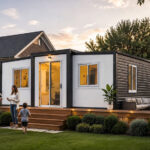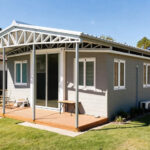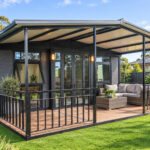
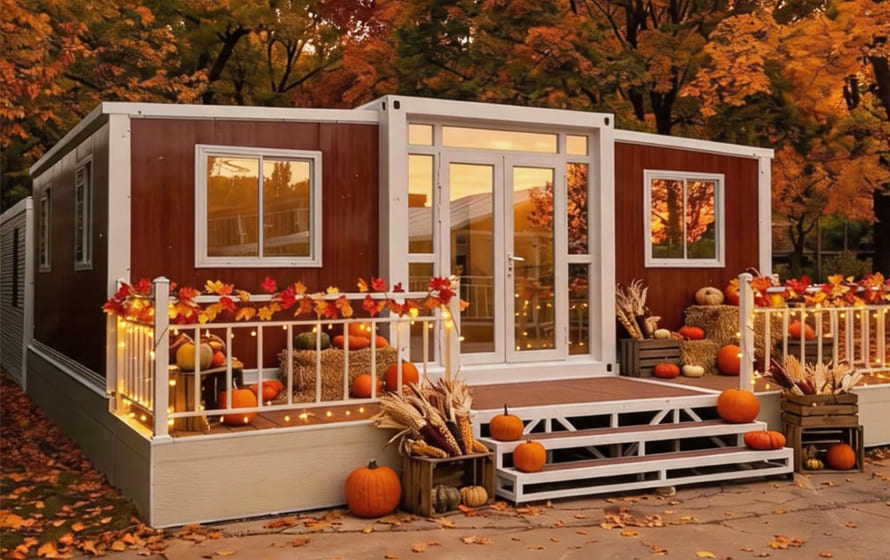
Buying an expandable container house is a significant investment. Two of the most common concerns are how to access financing options for container house purchases in the USA and how to protect the asset through proper insurance coverage.
In this guide, we explain practical container house financing methods, modular home loan options, ADU funding programs, and prefab house insurance types available in 2026.
This is designed for buyers planning to use expandable container homes for residential living, Airbnb rental, or rural housing projects.
1. Financing Options Comparison
| Method | APR | Down Payment | Term | Best For | Pros / Cons |
|---|---|---|---|---|---|
| Personal savings | 0% | 100% | — | Cash‑rich buyers | No interest, flexible, but ties up cash |
| Home equity loan / HELOC | 6% – 9% | 0% (secured by house) | 5-30 years | Homeowners with equity | Low rate, but risk of foreclosure |
| Unsecured personal loan | 8% – 15% | 0% | 1-7 years | Good credit borrowers | No collateral, fast, but higher rate |
| Equipment financing | 7% – 12% | 10% – 20% | 2-5 years | Business/commercial buyers | Tax‑deductible, requires business entity |
| Credit card (0% intro) | 0% – 25% | 0% | 12-18 months | Short‑term small amount | Only for short term, high after intro |
| ADU loan / grant | 3% – 6% | 0% – 10% | 10-30 years | Homeowners in ADU‑friendly states | Low rate, some grants, but eligibility rules |
2. ADU Loans & Grants (2026 Highlights)
| State / Program | Name | Max Amount | Rate / Terms | Eligibility |
|---|---|---|---|---|
| California | CalHFA ADU Grant | $40,000 | Grant (no repayment) | Low‑income homeowners for pre‑development costs |
| California | ADU Financing (lenders) | Up to $150,000 | Fixed ~5%-7% | Good credit, home equity |
| Oregon | Portland ADU Loan Fund | $80,000 | 4.5%-6.5% | Portland residents, low‑income priority |
| Washington | King County ADU Pilot | $50,000 | Deferred loan (repay after rental) | First‑time buyers, specific zones |
Check local housing departments for up‑to‑date information.
Click to know our 40ft expandable container house.
3. Financing Application Steps
Check credit report and calculate affordable monthly payment
Determine total landed cost (unit + freight + site prep + upgrades)
Choose financing channel based on assets and credit score
Prepare documents (ID, income proof, quote, site photos)
Submit application (1-4 weeks)
Sign contract and receive funds
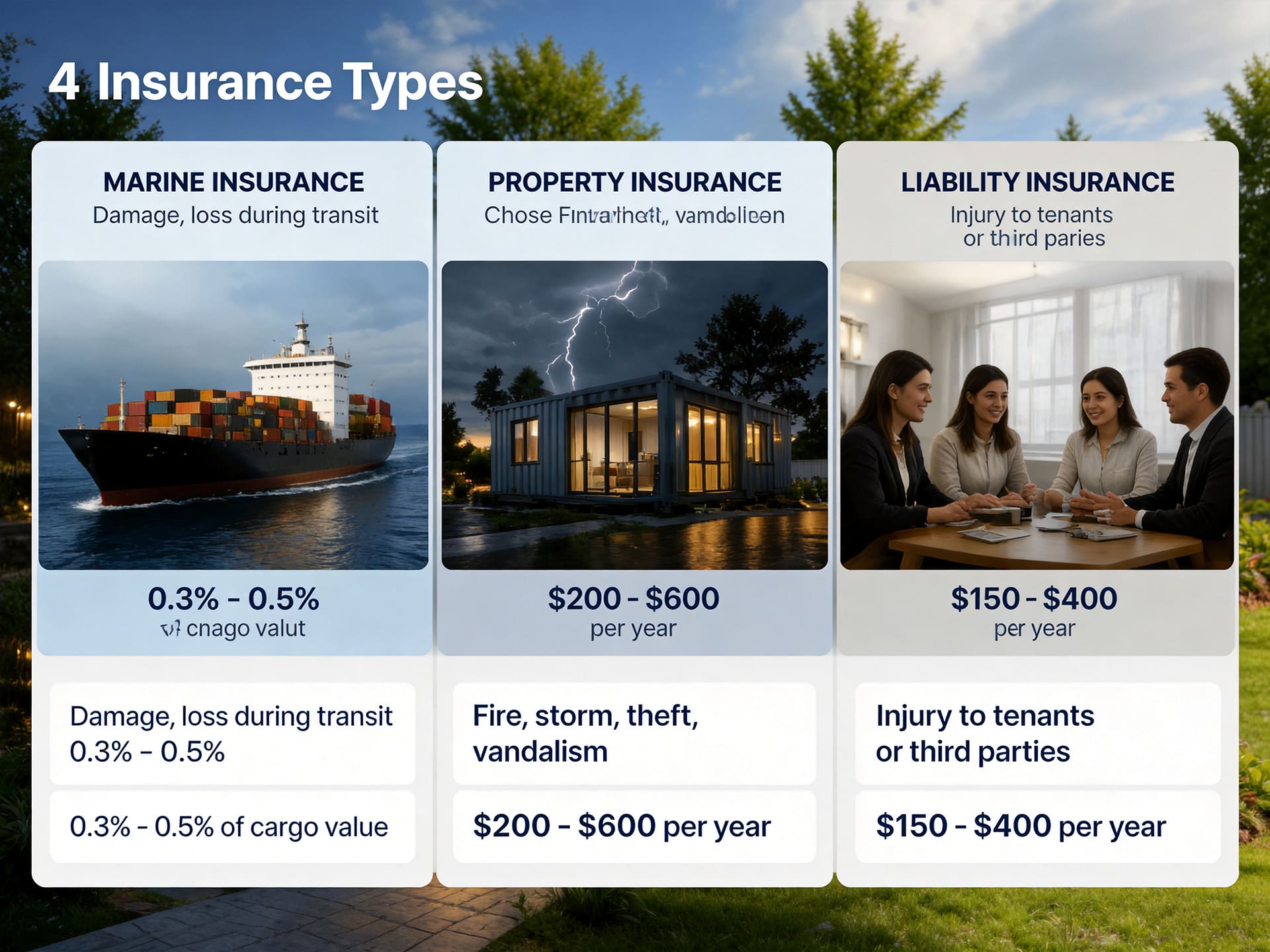
4. Insurance Types
| Type | Coverage | Est. Annual Cost (USD) | When to Buy | Recommended |
|---|---|---|---|---|
| Marine insurance | Damage, loss during transit | 0.3%-0.5% of cargo value ($50-$150) | Before shipment | ⭐⭐⭐⭐⭐ |
| Property insurance | Fire, storm, theft, vandalism | $200 – $600 | After installation | ⭐⭐⭐⭐⭐ |
| Liability insurance | Injury to tenants or third parties | $150 – $400 | Before renting or Airbnb | ⭐⭐⭐⭐ |
Marine insurance – Strongly recommended. Purchase “All Risks” through freight forwarder.
Property insurance – Essential if used as a home or rental. Standard homeowner policies often exclude “movable structures”. Providers: Progressive, Foremost, Geico.
Liability insurance – Airbnb provides some host protection, but has deductibles and limits. Supplemental personal liability is wise.
5. Real Example
HELOC + 40ft expandable as Airbnb (Florida)
Homeowner had $80,000 home equity
HELOC at 7.2%, drew $35,000
Purchased 40ft unit + kitchen + glass wall + AC. Landed cost $32,000
Remaining funds for site prep and furniture
Airbnb annual revenue: $42,000, net ~$28,000
Payback: 14 months
Insurance:
Marine: $110
Property (including rental): $480/year
Airbnb host protection + supplemental liability: $300/year
6. FAQ
Q: Can I get a loan without owning a house?
A: Yes, via unsecured personal loans (higher rate). Some credit unions offer “prefab home loans” requiring land ownership or long‑term lease.
Q: Can I use the container house as collateral for a mortgage?
A: Usually no, unless permanently fixed to a foundation and meeting local building codes. ADU loans typically require the primary home as collateral.
Q: Does insurance cover hurricanes or earthquakes?
A: Standard policies exclude flood and earthquake. Add separate riders. Highly recommended for Florida, Texas, etc.
Q: Can I transfer insurance when selling the container house?
A: Usually not. The new owner needs their own policy.
Conclusion
Financing and insuring an expandable container house has become significantly more accessible in 2026 due to the rise of modular housing and ADU development programs.
With the right financing structure and insurance coverage, buyers can reduce upfront cost, improve investment security, and accelerate ROI for rental or residential use.
👉 Need financing advice or insurance quotes? Contact us with your project details for a free consultation.