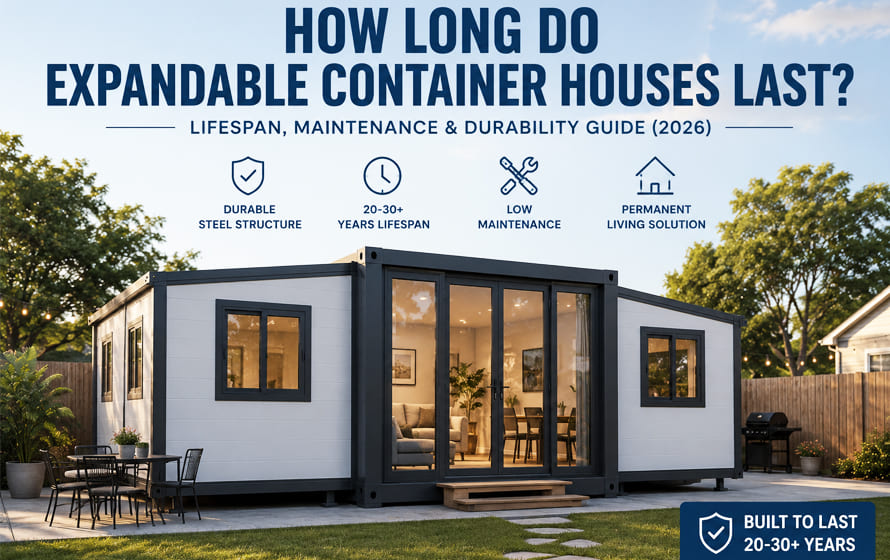
Expandable Container House Lifespan – One of the first questions buyers ask before purchasing an expandable container house is:
“How long will it actually last?”
Whether you’re planning to build a permanent home, an Airbnb rental, a mining camp, a site office, or a vacation cabin, understanding the lifespan of an expandable container house is essential before making an investment.
The good news is that modern expandable container houses are engineered for long-term use. With galvanized steel frames, anti-corrosion coatings, quality insulation panels, and proper maintenance, a well-built expandable container house can provide decades of reliable service.
However, its actual lifespan depends on several factors, including manufacturing quality, climate, installation, maintenance, and daily usage.
In this guide, we’ll explain how long expandable container houses typically last, what affects their durability, and how you can maximize your investment.
What Is the Average Lifespan of an Expandable Container House?
A high-quality expandable container house typically lasts:
| Quality Level | Estimated Service Life |
|---|---|
| Standard Model | 15–20 Years |
| High-Quality Galvanized Steel Structure | 20–30 Years |
| Premium Customized Structure with Proper Maintenance | 30+ Years |
Unlike traditional shipping containers, modern expandable container houses are purpose-built residential structures rather than recycled cargo containers.
Manufacturers use engineered steel frames, insulated sandwich panels, and corrosion-resistant coatings specifically designed for long-term occupancy.
With regular maintenance, many units continue performing well even after decades of use.
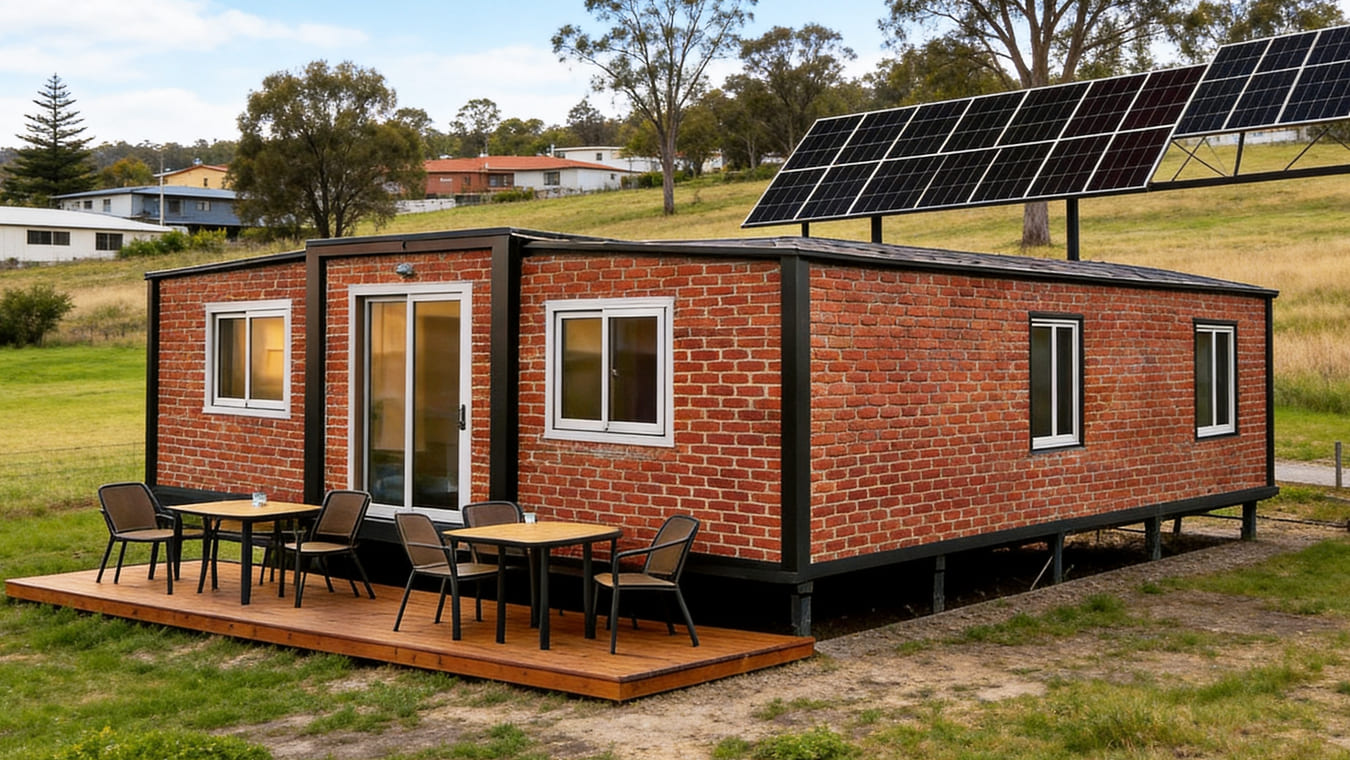
What Determines the Lifespan?
Several key factors influence how long an expandable container house will last.
1. Steel Structure Quality
The steel frame is the foundation of every expandable container house.
High-quality manufacturers use:
- Galvanized steel
- High-strength structural steel
- Precision welding
- Powder-coated surfaces
- Anti-rust treatment
A well-designed galvanized steel frame resists corrosion far better than untreated steel, especially in humid or coastal environments.
Poor-quality steel, on the other hand, may begin showing rust within only a few years.
Therefore, the quality of the steel structure typically determines the stability of a double-wing expandable container house for the next two to three decades.
2. Protective Coating
Surface protection plays an important role in extending service life.
Professional manufacturers generally apply:
- Anti-corrosion primer
- Powder coating
- Weather-resistant paint
- UV-resistant finish
These coatings reduce oxidation and protect the structure against rain, sunlight, and temperature changes.
Especially in environments exposed to prolonged sun and rain, a high-quality coating can significantly extend the building’s lifespan.
3. Sandwich Panel Insulation
Wall panels also affect durability.
Common options include:
- EPS Sandwich Panels
- Rock Wool Sandwich Panels
- PU Sandwich Panels
Different materials have different characteristics.
EPS is economical and practical;
Rock wool offers excellent fire resistance;
Among these, PU panels typically offer the best thermal insulation and moisture resistance, making them a popular choice for long-term residential applications.
Selecting wall materials suited to the local climate can effectively slow down the rate of building deterioration.
4. Roof Waterproofing
Water leakage is one of the most common causes of premature building deterioration.
A properly designed roof system should include:
- Waterproof sealing
- Quality flashing
- Effective drainage
- Durable roofing membranes
Regular inspection after heavy rain helps prevent small problems from becoming major repairs.
In many cases, a single simple maintenance check can prevent costly repairs down the line.
5. Climate Conditions
Climate has a direct impact on building lifespan.
Typical environmental factors include:
- Heavy snow
- Coastal salt air
- High humidity
- Desert heat
- Strong UV exposure
- Tropical storms
These factors all affect buildings to varying degrees.
For example:
Salt in the air near the coast can accelerate steel corrosion;
while desert regions are subject to prolonged exposure to intense ultraviolet radiation.
A house installed in mild climates generally requires less maintenance than one exposed to harsh weather conditions.
How Weather Resistant Are Expandable Container Houses?
Modern expandable container houses are engineered to perform under a wide range of environmental conditions.
Depending on design specifications, they can offer excellent resistance to:
- Strong wind
- Heavy rainfall
- Snow loads
- Earthquakes
- High temperatures
- Low temperatures
For projects located in extreme climates, additional structural reinforcement and upgraded insulation materials may be recommended.
Can Expandable Container Houses Rust?
Steel itself does not last forever.
However, rust can be effectively minimized through proper engineering and maintenance.
High-quality manufacturers use:
- Galvanized steel
- Powder-coated finishes
- Zinc protection
- Anti-rust paint
These measures can significantly reduce the steel’s direct exposure to air and moisture, thereby effectively delaying corrosion.
In addition, users are advised to inspect the building’s exterior surfaces periodically.
If localized paint peeling due to impact is discovered, touch-up painting should be performed promptly to prevent prolonged moisture contact with the exposed steel.
Routine inspections and timely repainting of damaged areas can significantly extend the building’s service life.
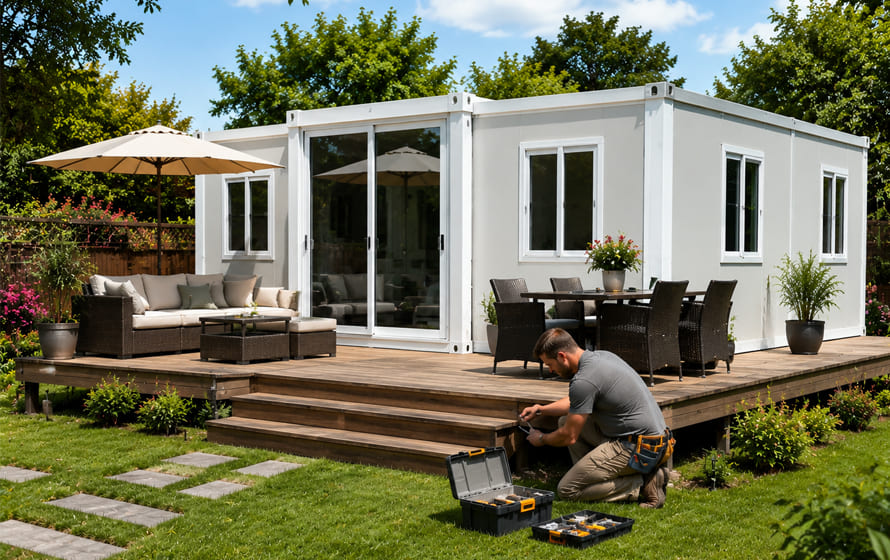
How to Extend the Lifespan of an Expandable Container House
Although expandable container houses are designed for durability, proper maintenance can significantly increase their service life.
Here are ten practical ways to protect your investment.
1. Inspect the Exterior Every Six Months
Check the steel frame, wall panels, roof joints, doors, and windows for signs of damage or corrosion.
Pay particular attention to signs of rust, deformation, cracking, loosening, or water seepage.
Small issues are much easier and less expensive to repair than major structural problems.
2. Keep the Roof Clean
Leaves, dirt, and standing water can reduce the lifespan of the roof.
Clean the roof periodically and ensure rainwater drains away properly.
3. Repair Paint Damage Promptly
If the protective coating becomes scratched or damaged, touch it up with anti-rust paint as soon as possible.
This prevents moisture from reaching the steel surface.
4. Check Door and Window Seals
Rubber seals naturally wear over time.
Replacing damaged seals helps prevent water leakage and improves insulation performance.
5. Inspect Electrical Systems
Have the electrical wiring inspected regularly, especially for commercial or high-usage buildings.
Professional inspections improve both safety and reliability.
6. Keep the Foundation Stable
Even though expandable container houses are lightweight, a stable foundation is essential.
Uneven settlement may affect doors, windows, and the folding mechanism.
7. Protect Against Coastal Environments
If the house is installed near the ocean, wash the exterior periodically to remove salt deposits.
Salt accelerates corrosion if left untreated.
8. Maintain Proper Ventilation
Good ventilation reduces moisture inside the building and helps prevent mold or condensation.
9. Service Folding Mechanisms
The hinges and moving components should be inspected and lubricated regularly.
This ensures smooth expansion and prevents unnecessary wear.
10. Schedule Professional Inspections
For commercial projects, annual inspections by experienced technicians are recommended.
Professional maintenance helps identify hidden issues before they become costly repairs.

Expandable Container House vs Traditional House: Which Lasts Longer?
Many buyers assume traditional houses always last longer.
In reality, lifespan depends on construction quality and maintenance rather than building type alone.
| Feature | Expandable Container House | Traditional House |
|---|---|---|
| Expected Lifespan | 20–30+ Years | 50–100+ Years |
| Construction Time | 1–2 Days Installation | 6–18 Months |
| Maintenance | Low | Medium to High |
| Relocation | Yes | No |
| Structural Flexibility | High | Low |
| Expansion | Easy | Expensive |
While traditional concrete homes generally have a longer theoretical lifespan, expandable container houses offer greater flexibility, faster installation, and lower maintenance costs.
For many commercial and residential applications, they provide excellent long-term value.
Click here to know :
- How Much Does an Expandable Container House Cost in 2026? Complete Price Guide
- Expandable Container House Floor Plans: 10 Smart Layout Ideas for 20ft and 40ft Homes
- 20ft Expandable Container House
- 40ft Expandable Container House
Real Applications Around the World
Expandable container houses are now widely used in more than 100 countries.
Typical applications include:
- Permanent residences
- Vacation cabins
- Airbnb rentals
- Mining camps
- Construction site offices
- Staff accommodation
- Emergency housing
- Remote medical clinics
- Schools
- Retail shops
- Coffee shops
Many of these buildings remain in excellent condition after years of continuous use thanks to proper manufacturing and regular maintenance.
Why Choosing the Right Manufacturer Matters
Not all expandable container houses are built to the same standard.
A reputable manufacturer will typically provide:
- Galvanized steel structures
- Precision welding
- Strict quality inspection
- Certified electrical systems
- Waterproof testing
- Factory quality control
- International export experience
While lower-priced products may reduce initial costs, poor materials often result in higher maintenance expenses over time.
Choosing an experienced expandable container house manufacturer is one of the most effective ways to maximize the lifespan of your investment.
Final Thoughts
So, how long does an expandable container house last?
In most cases, a well-manufactured expandable container house can provide 20 to 30 years of reliable service, and premium models with proper maintenance may last even longer.
Its actual lifespan depends on factors such as steel quality, protective coatings, insulation materials, installation, climate conditions, and routine maintenance.
For homeowners, developers, contractors, and project managers looking for an affordable, flexible, and durable building solution, expandable container houses continue to be one of the most practical choices available in 2026.
By selecting a trusted manufacturer and following basic maintenance practices, you can enjoy decades of dependable performance while keeping maintenance costs low.
Frequently Asked Questions
Q1. How long does an expandable container house typically last?
Most high-quality expandable container houses last 20–30 years, while premium models can exceed 30 years with proper maintenance.
Q2. Do expandable container houses rust?
Galvanized steel structures are highly resistant to corrosion.
Regular inspections and repainting damaged areas help prevent rust.
Q3. Can expandable container houses withstand extreme weather?
Yes.
When properly engineered, they can resist strong winds, heavy rain, snow loads, and earthquakes.
Additional reinforcement may be recommended for harsh climates.
Q4. What maintenance is required?
Basic maintenance includes:
- Roof inspection
- Cleaning drainage systems
- Checking seals
- Touch-up painting
- Lubricating folding mechanisms
- Annual structural inspection
Q5. Are expandable container houses suitable for permanent living?
Absolutely.
Many families around the world use expandable container houses as permanent residences, vacation homes, and Airbnb rentals.
Call To Action
Looking for a Durable Expandable Container House?
CamphorTree Prefab specializes in manufacturing high-quality expandable container houses designed for long-term residential and commercial use.
Whether you need a 20ft, 30ft, or 40ft expandable container house, our experienced team can provide customized layouts, reliable structural engineering, and worldwide shipping solutions.
Contact us today to receive a free quotation, product catalog, and expert recommendations for your project.